Written By-Snow Jantzen
If you're taking into consideration vision modification options, SMILE eye surgical treatment could be on your radar. This cutting-edge treatment entails producing a little lenticule in the cornea to resolve nearsightedness and astigmatism. Unlike standard LASIK, it's less intrusive and promises quicker recuperation. However, while there are substantial advantages, there are additionally threats involved. Comprehending both facets can help you make an educated decision about your eye health. What's the recuperation procedure like, and what should you expect?
Comprehending the SMILE Procedure
The SMILE treatment, or Small Cut Lenticule Removal, is a minimally invasive eye surgery designed to remedy vision concerns like nearsightedness and astigmatism.
Throughout this treatment, a laser creates a small lenticule, or lens-shaped cells, within the cornea. You will not require any kind of stitches, as the tiny laceration permits a quick recuperation.
SMILE Eye Surgery DC gets rid of the lenticule via this tiny cut, improving your cornea to boost your vision. Unlike typical LASIK, SMILE doesn't call for the production of a huge flap, which can cause fewer problems.
You'll find that this technique is less turbulent to the corneal framework, possibly boosting security. Recognizing the procedure helps you really feel more confident as you consider your choices for vision correction.
Benefits of SMILE Eye Surgical Treatment
While considering vision adjustment choices, you might discover that SMILE eye surgical treatment provides a number of compelling advantages.
First, it's minimally intrusive, calling for just a little cut, which indicates much less interruption to your eye structure. This causes quicker healing times and less discomfort compared to standard LASIK.
You'll likewise value its precision; SMILE makes use of advanced laser technology to reshape the cornea, supplying exceptional outcomes for nearsightedness and astigmatism.
Additionally, lots of patients report enhanced visual top quality, with fewer instances of glow or halos. Since there's no need for a corneal flap, your eyes remain much more stable post-surgery.
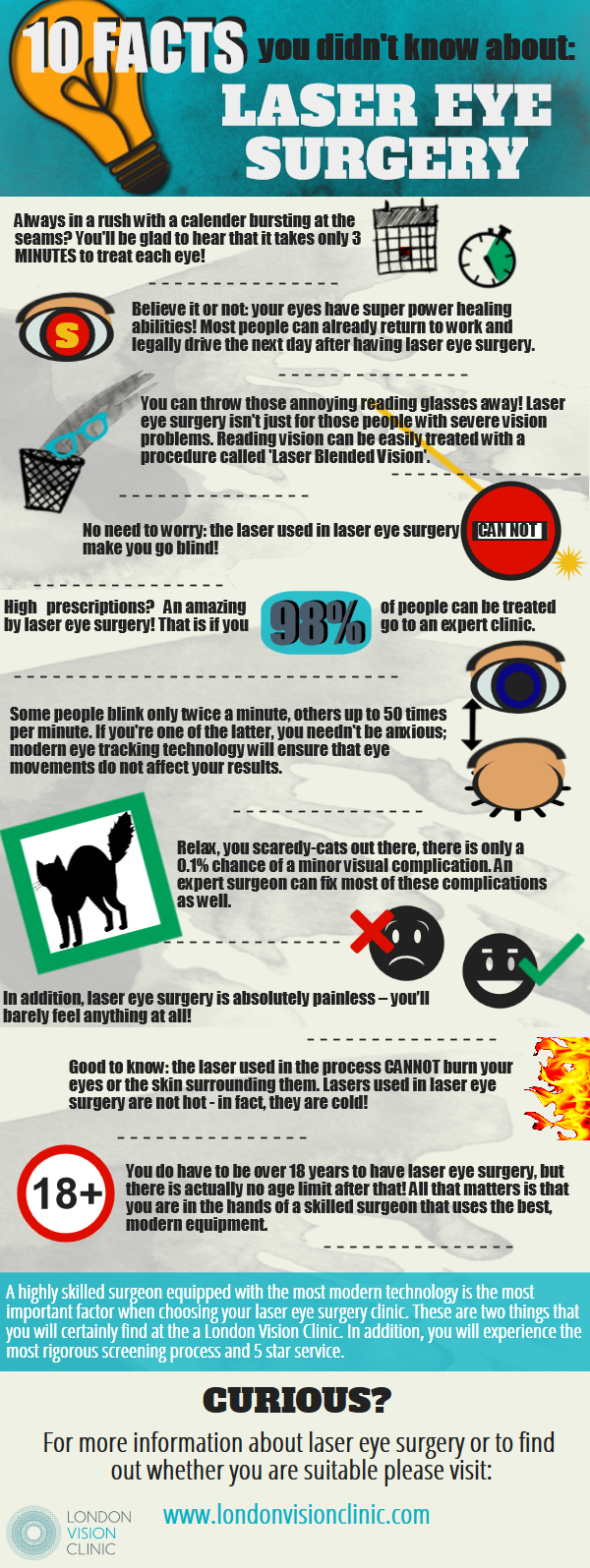
Finally, the treatment normally takes simply a few minutes, permitting you to return to your everyday activities faster than with other techniques.
Possible Threats and Healing Process
Although SMILE eye surgical treatment is generally risk-free, it's important to be familiar with potential threats that can develop during or after the treatment. Some people might experience temporary adverse effects like dry eyes, glow, or halos around lights.
In rare situations, issues such as infection, vision loss, or the demand for extra surgical procedure can take place.
Recuperation typically involves a few days off and avoiding difficult activities. You ought to follow your specialist's post-operative guidelines carefully, including making use of recommended eye drops and participating in follow-up appointments.
Many patients observe enhanced vision within a few days, however complete recovery can take weeks. Staying client and offering your eyes time to heal is essential for the very best end result.
Verdict
To conclude, SMILE eye surgical treatment uses a modern, minimally intrusive alternative for remedying nearsightedness and astigmatism. With Refractive Surgery Cost Explained and lowered pain, it's an appealing option for lots of. Nonetheless, it's important to evaluate the prospective threats against the benefits. By remaining informed and adhering to post-operative treatment, you can maximize your opportunities of an effective end result. If you're considering this procedure, seek advice from your eye care professional to identify if it's right for you.